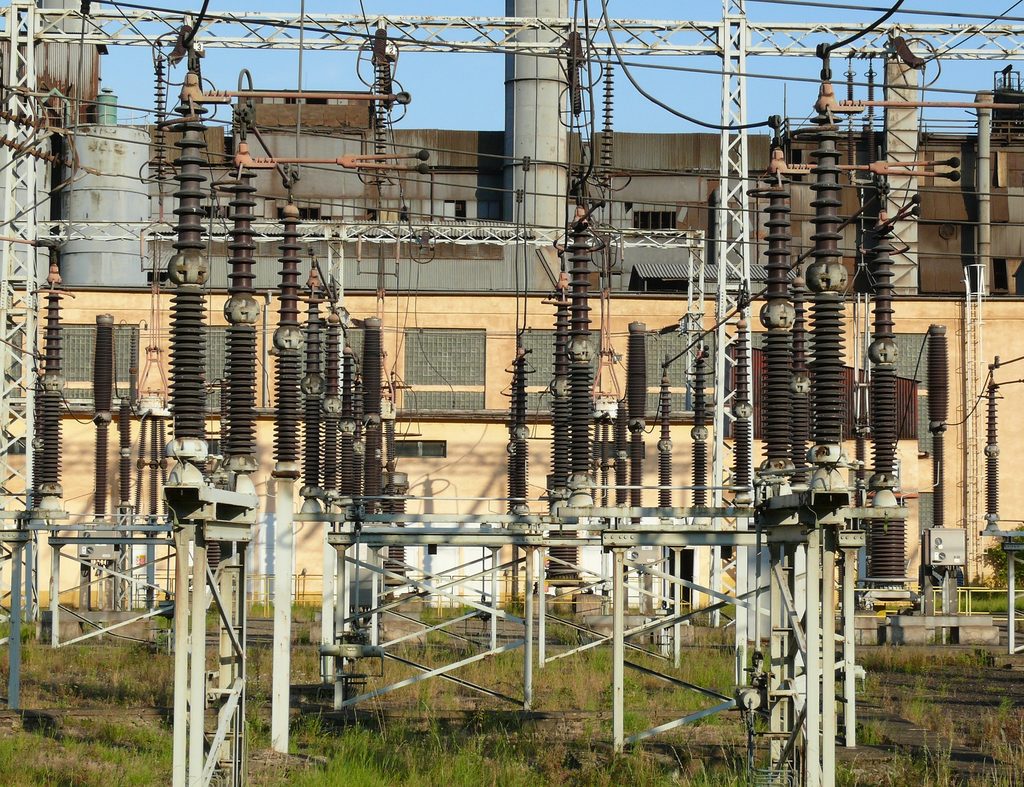
Today, EVs are still a very large part of our convenience in terms of travel and transportation services; however, it is important to consider that they also impact us even when the vehicle is not being driven. As the changeover to EVs continues to rise, it is important to understand where that energy is needed and when it becomes disposable.
Influence of EV Charging Stations
Unlike our normal and standard gas stations that are most common today, electric vehicles source their energy from electric charging stations. In turn, with every single electric vehicle added to the road, that same electric vehicle is added to the electrical grid and creates an additional demand for electrical energy. According to a study done by Gahlaut et al. (2026), the impact of EVs charging our world is that they are different from standard charging stations because their vehicles charge in different locations at different times of the day. This makes sense because someone might need to charge their EV overnight at home versus someone also charging their EV in broad daylight during work. In fact, large groups of EVs charging at the same time at once also create a greater demand for electrical energy at that single time. The study by RMI also states that in residential areas, charging EV’s also adds demand for electrical energy in the same way that large appliances require electrical energy, whereas electrical charging for EV trucks requires much more power (Gahlaut et al., 2026).
Does Charge Make a Difference?
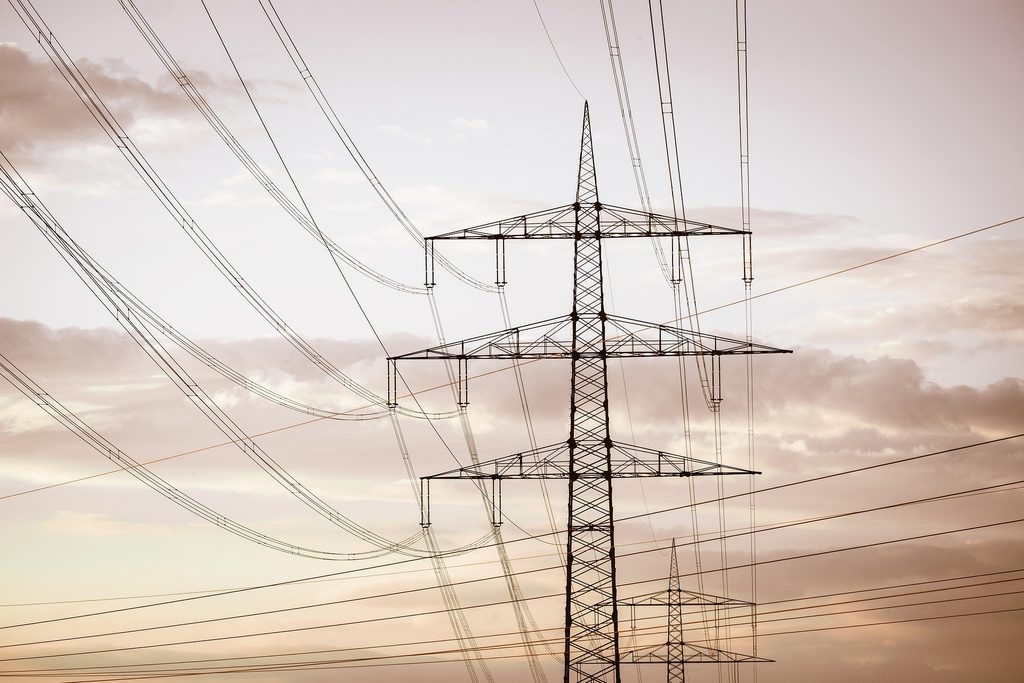
The amount of energy that is needed to charge an EV is only one part of the difference that it makes whether it is good or bad. RMI states again that this adds to the consumers’ utilities, and it also means that charging an EV at one time of the day may affect the grid differently than charging it at night (Gahlaut et al., 2026). Another question to ask is: can this demand be shifted into one area or to another time? Planning for more EVs is still in development, and utilities are still planning on shifting their focus to what specific areas are high in terms of future electricity demand. That being said, it is certain that a lot of utilities and resources would have to be shifted in order to accommodate future trends in electrical energy.
What Does Our Future Look Like?
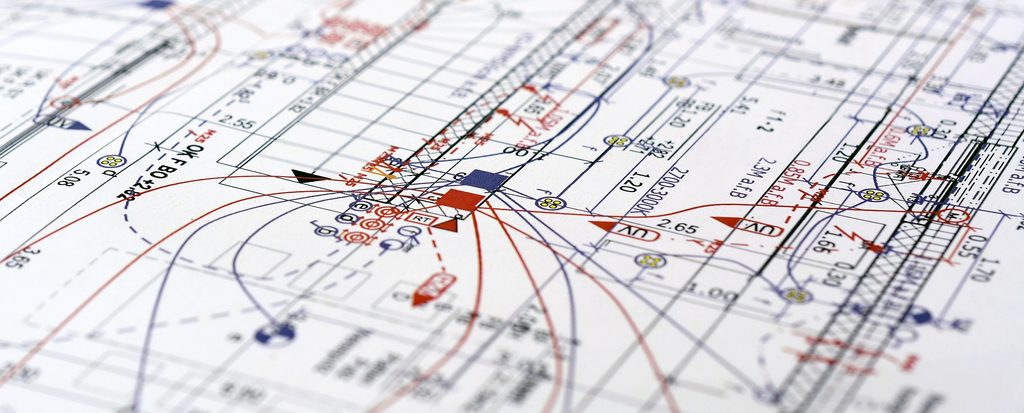
“Ultimately, the goal of improved EV load forecasting is not a single, precise outcome, but enabling better decision-making under uncertainty.” (Gahlaut et al., 2026, “What does ‘good’ EV load forecasting look like?” section, para. 7)
The demand for EVs will require changes in how we distribute our electrical energy and how it is managed. In order to do this, it is important that there are systems to forecast our energy usage and identify areas where there is a need for electrical energy. Not all cities are the same, and not everyone will have the same travel needs. Overall, as the quote suggests, there will be an impact that will extend beyond the mere expectations of the vehicle itself, and in order to sustain our economy and our resources, it’s important to prepare the electrical grid for the important parts of our future.
References
Gahlaut, A., Lindsell, H., Pesta, N., & Shapiro, B. (2026, May 29). Understanding the grid impacts of electric vehicle adoption. RMI. https://rmi.org/resources/understanding-the-grid-impacts-of-electric-vehicle-adoption/